

Cilento
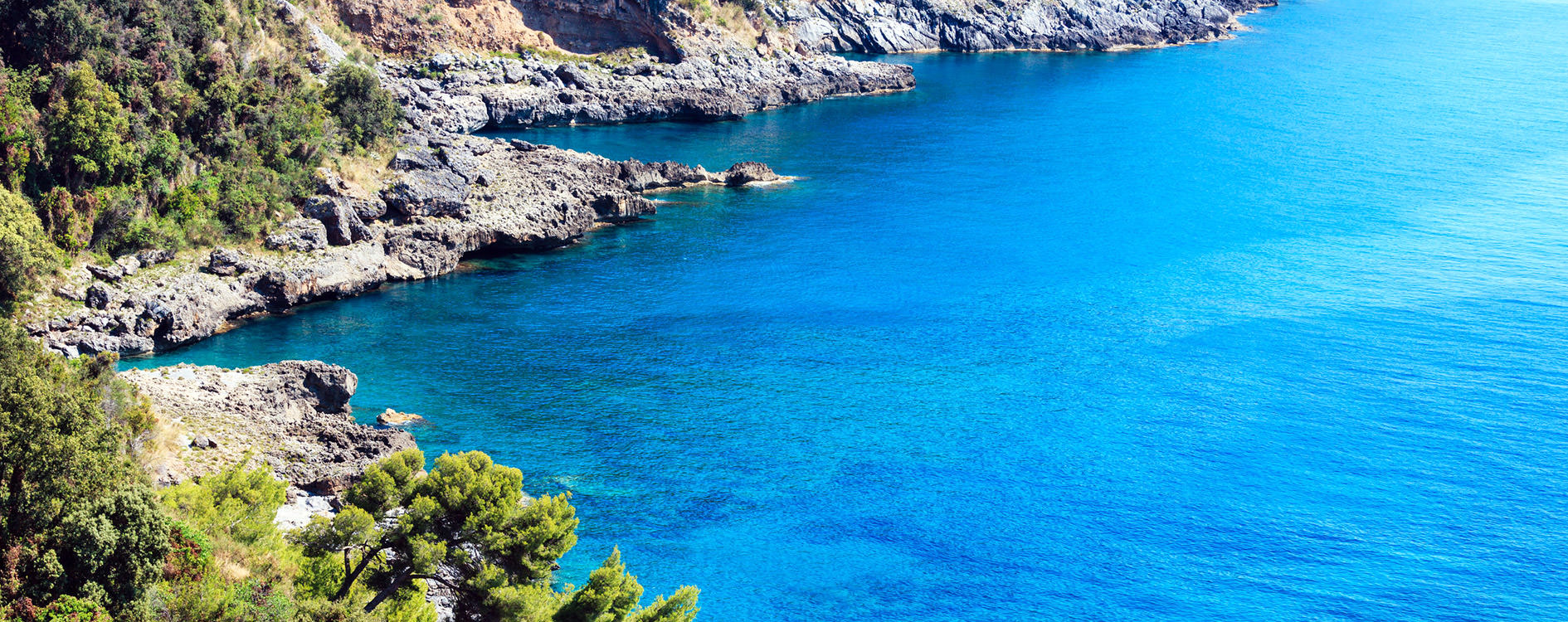
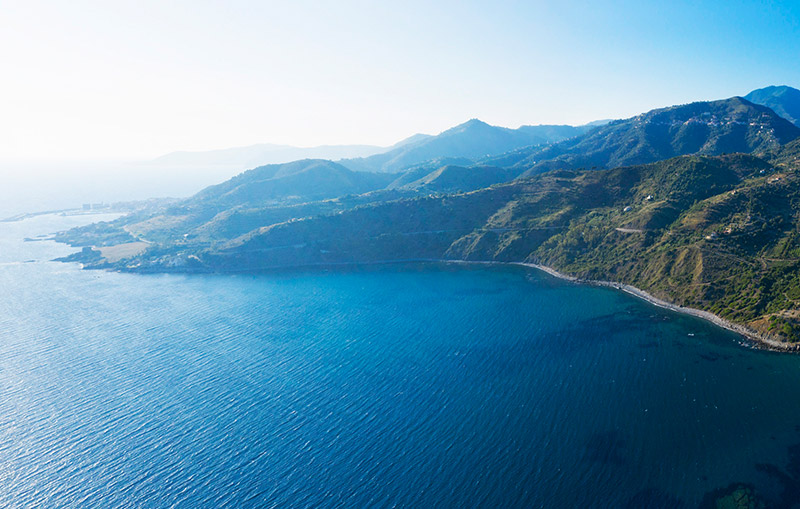
The Cilento National Park, the second largest in Italy, stretches from the Tyrrhenian coast to the Apennine mountains and includes around eighty municipalities in the province of Salerno. A landwhere Mediterranean landscapes meet mountain scenery, it is home to extraordinary biodiversity, with thousands of plant species and rich wildlife.
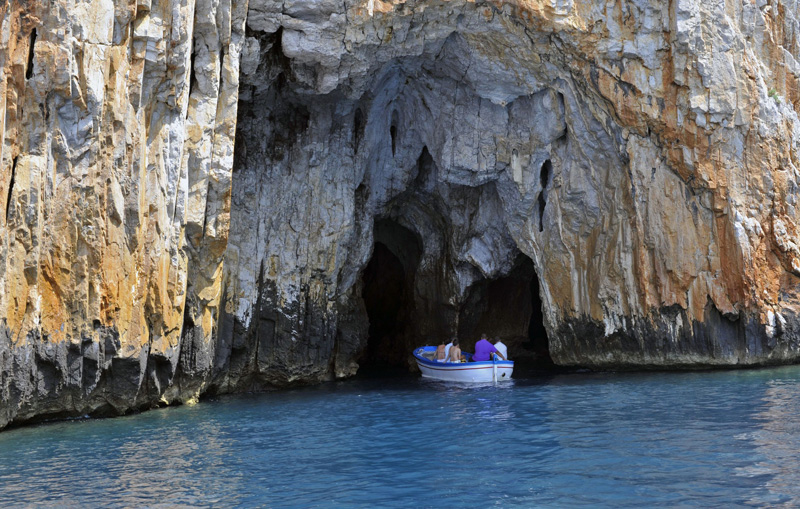
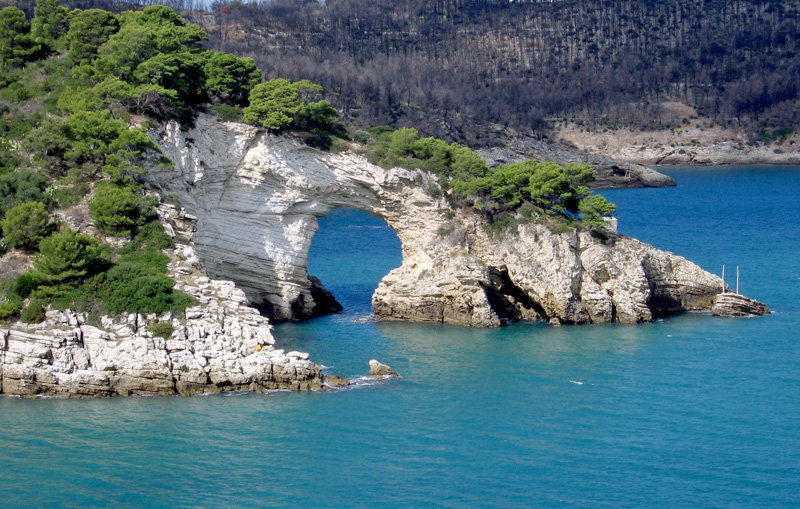
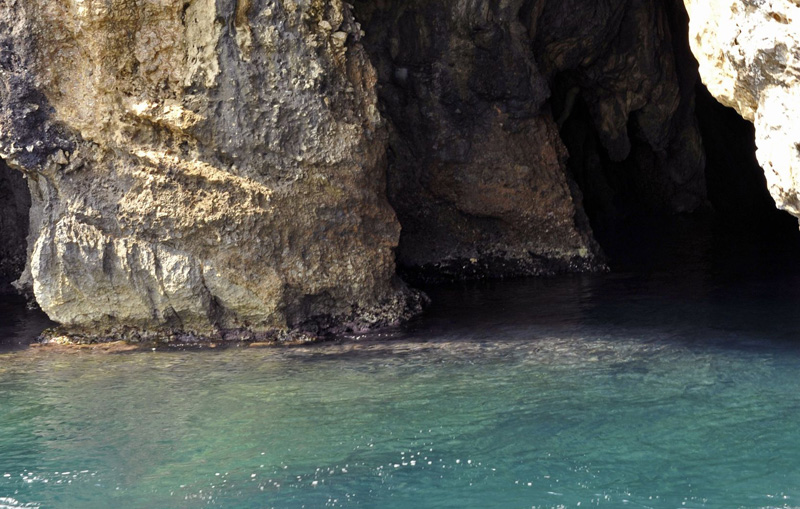
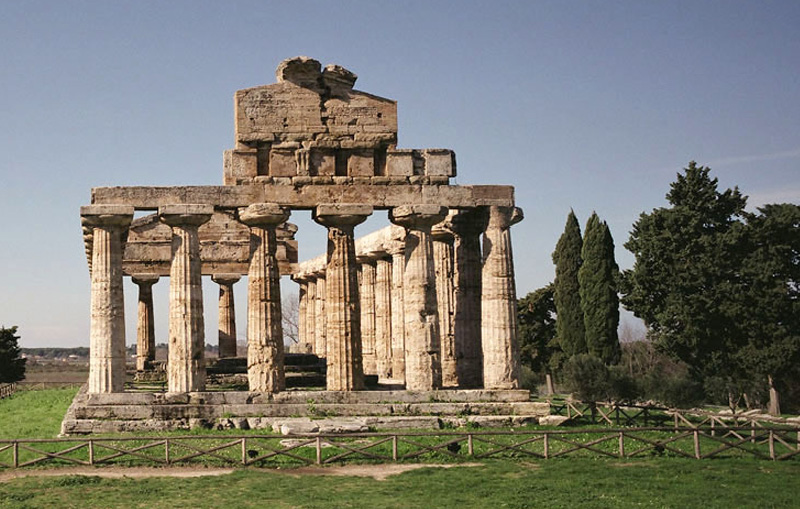
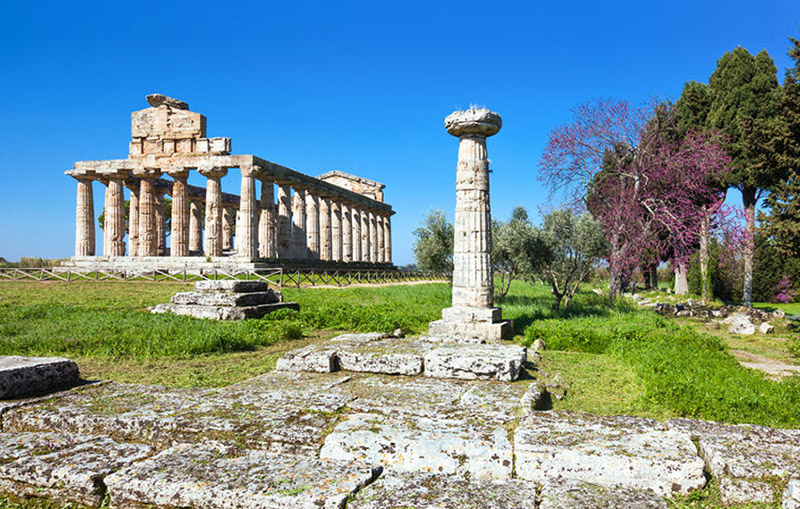
From the ancient temples of Paestum to the ruins of Velia, from dramatic coastal cliffs to medieval hilltop villages, the Cilento offers visitors a unique journey through history, nature, and tradition. Recognized as a UNESCO World Heritage Site in 1998, it is a place where sea and mountains cometogether in perfect harmony. Pollica lies in the area of Mount Stella, a symbolic and spiritual landmark overlooking the coast, representing the deep connection between nature, culture, and timeless traditions.
Cilento
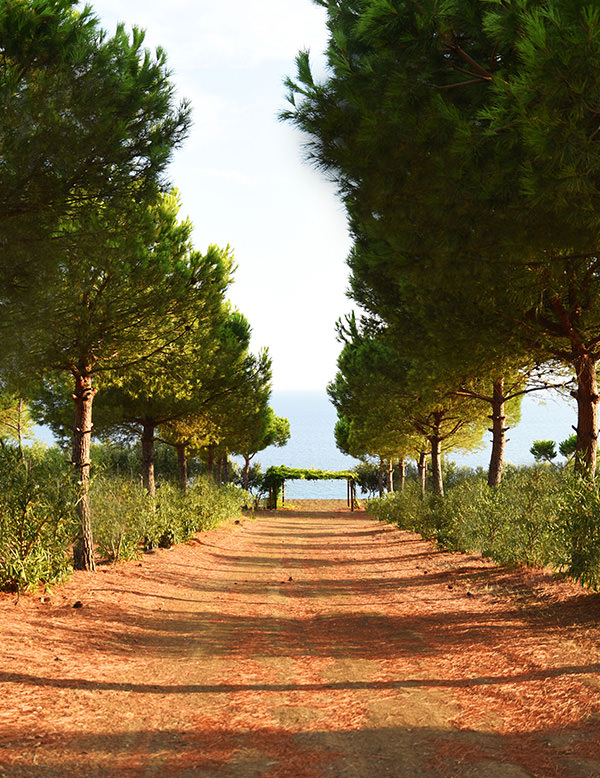
The Cilento National Park, the second largest in Italy, stretches from the Tyrrhenian coast to the Apennine mountains and includes around eighty municipalities in the province of Salerno. A landwhere Mediterranean landscapes meet mountain scenery, it is home to extraordinary biodiversity, with thousands of plant species and rich wildlife.
From the ancient temples of Paestum to the ruins of Velia, from dramatic coastal cliffs to medieval hilltop villages, the Cilento offers visitors a unique journey through history, nature, and tradition. Recognized as a UNESCO World Heritage Site in 1998, it is a place where sea and mountains cometogether in perfect harmony. Pollica lies in the area of Mount Stella, a symbolic and spiritual landmark overlooking the coast, representing the deep connection between nature, culture, and timeless traditions.
Acciaroli
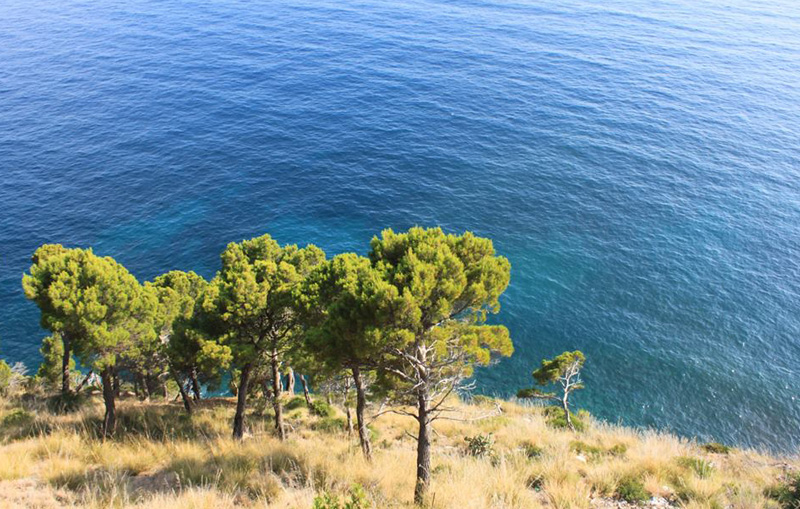
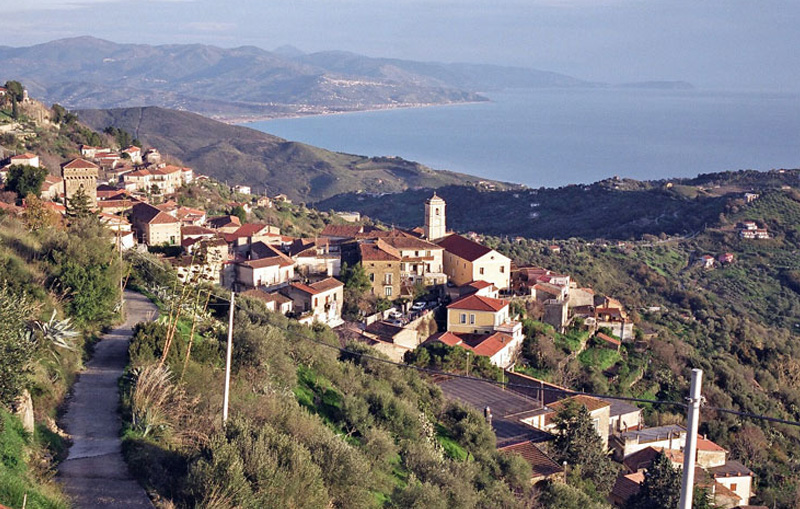
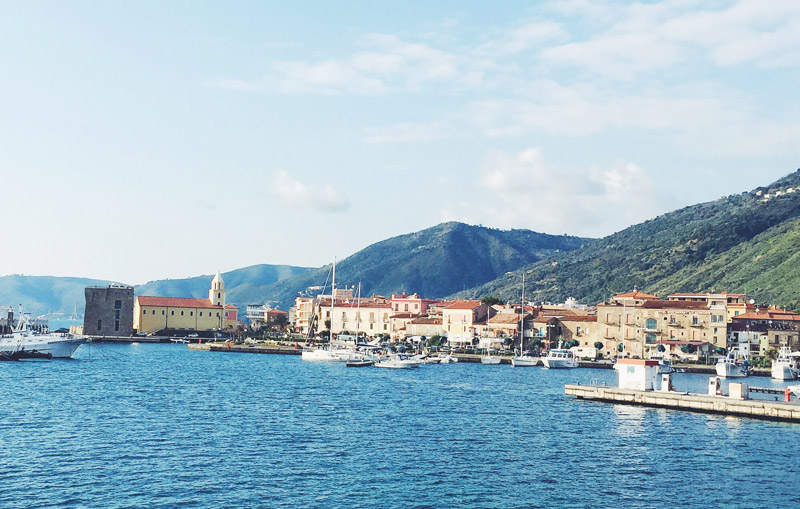
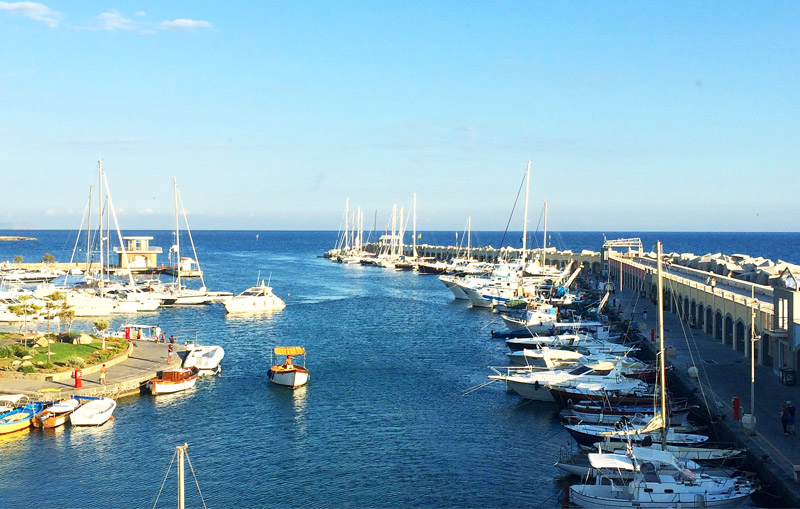
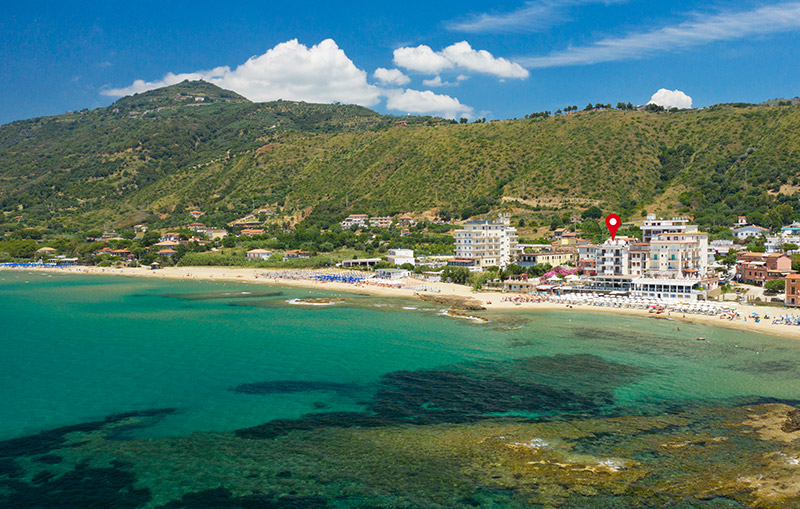
Nestled in unspoiled nature, Acciaroli is a charming seaside village with a rich history. Among its landmarks are the Church of Santa Maria dell’Acciarolo on the seafront, first documented in 1187, and the Norman tower built in the late 12th century. Over the centuries, Acciaroli was owned by the powerful Sanseverino family of Salerno and later bythe Capano family of Pollica.
Its historical importance also comes from its role as a customs postuntil the 19th century. The Church of the Annunziata, one of the oldest buildings in the village, is notable for its beautifulmajolica decoration depicting the Annunciation and its bell tower, completed in 1926.
Acciaroli
Nestled in unspoiled nature, Acciaroli is a charming seaside village with a rich history. Among its landmarks are the Church of Santa Maria dell’Acciarolo on the seafront, first documented in 1187, and the Norman tower built in the late 12th century. Over the centuries, Acciaroli was owned by the powerful Sanseverino family of Salerno and later bythe Capano family of Pollica.
Its historical importance also comes from its role as a customs postuntil the 19th century. The Church of the Annunziata, one of the oldest buildings in the village, is notable for its beautifulmajolica decoration depicting the Annunciation and its bell tower, completed in 1926.
The Harbour Tower
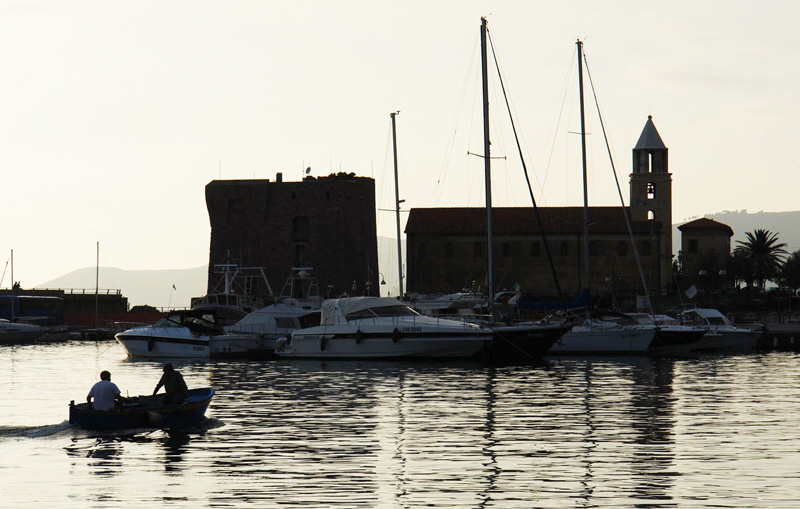
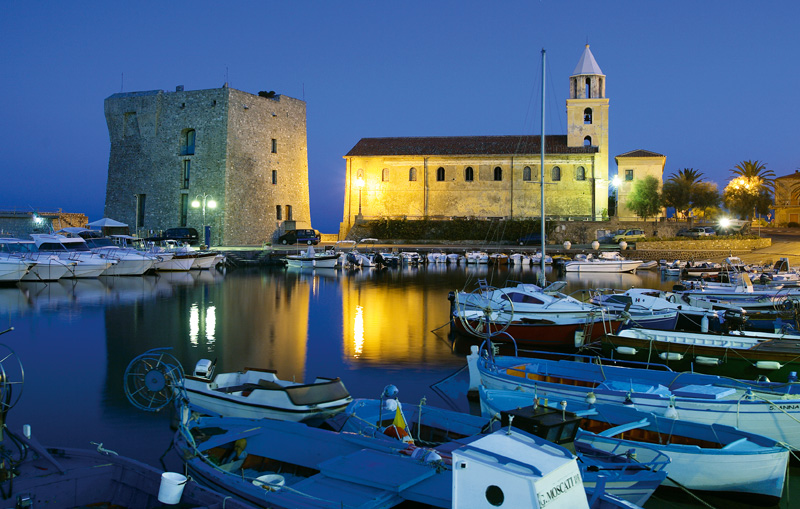
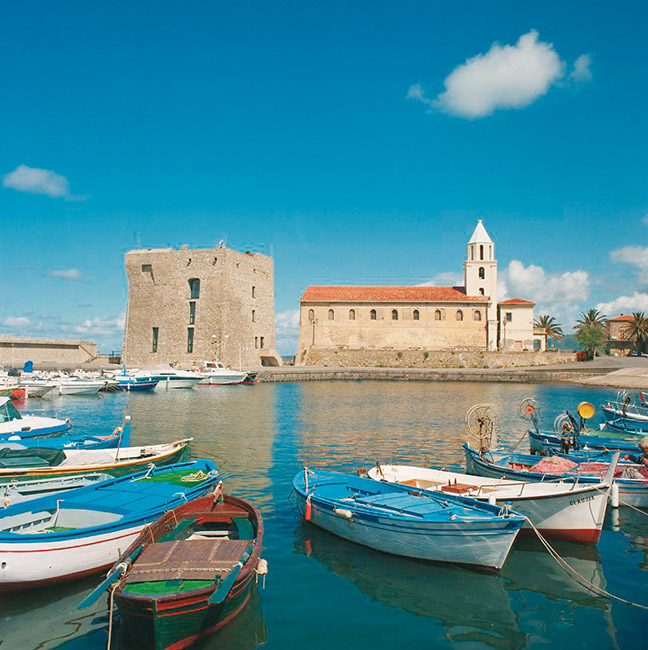
The harbour tower, privately owned, is a fascinating coastal fortification with a square base, built aspart of an Angevin defensive system designed to protect the coastline from pirate attacks. Its strategic importance was already recognized in the 12th century, when Emperor Frederick II included it in the coastal defense network. Together with the nearby church and bell tower, the harbour tower has become one of the mosticonic symbols of Acciaroli, recognized well beyond Italy’s borders.
Just south of the village standsthe Tower of Caleo, another impressive fortification built in 1520. Among the many legends linked to Acciaroli is the story of Alexandre Dumas, who landed here in1860 to deliver weapons to Garibaldi’s troops. Popular tradition also recalls the presence of Ernest Hemingway, remembered by local fishermen as “the great wise man of the world.”
The Harbour Tower
The harbour tower, privately owned, is a fascinating coastal fortification with a square base, built aspart of an Angevin defensive system designed to protect the coastline from pirate attacks. Its strategic importance was already recognized in the 12th century, when Emperor Frederick II included it in the coastal defense network. Together with the nearby church and bell tower, the harbour tower has become one of the mosticonic symbols of Acciaroli, recognized well beyond Italy’s borders.
Just south of the village standsthe Tower of Caleo, another impressive fortification built in 1520. Among the many legends linked to Acciaroli is the story of Alexandre Dumas, who landed here in1860 to deliver weapons to Garibaldi’s troops. Popular tradition also recalls the presence of Ernest Hemingway, remembered by local fishermen as “the great wise man of the world.”